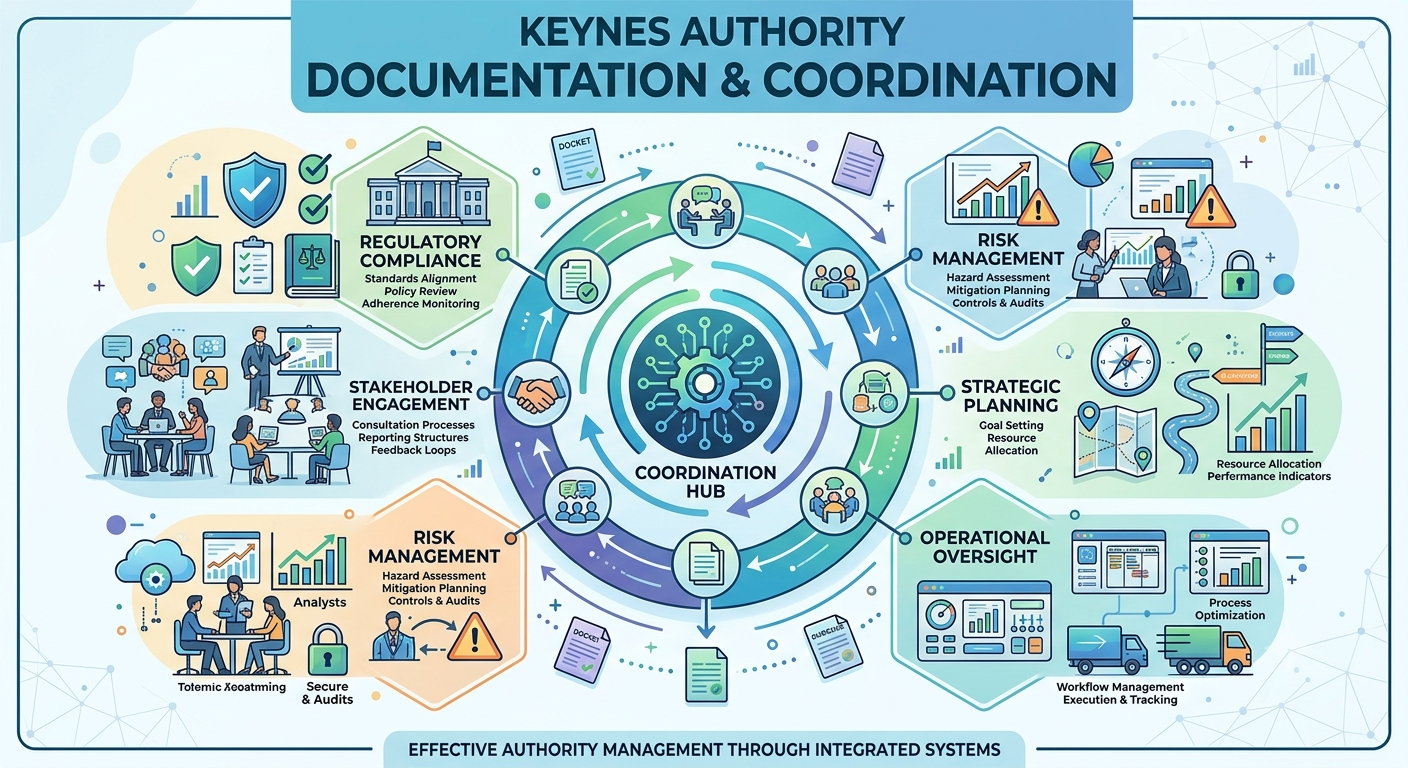
Building Topical Authority and Regional Relevance through Keynes' Model of Economic Coordination
In the modern landscape of search engine optimization, establishing digital prominence requires more than basic keyword insertion; it demands building robust Topical Authority and structured local signal coordination. By leveraging John Maynard Keynes’ economic principles of macroeconomic coordination, structured documentation, and resource allocation, local businesses can systematically scale their search visibility across hyper-targeted geographic areas.
1. Macroeconomic Coordination Principles Applied to Local SEO
Keynesian economics emphasizes that aggregate market outcomes are heavily influenced by coordinated public and private interventions. In local search, search engines like Google act as central regulators, evaluating a domain's trust, proximity, and structural relevance. Achieving top rankings in the Google Local 3-Pack requires a coordinated documentation model across all digital touchpoints.
To establish foundational authority, local businesses must align their on-page architectural signals with verified off-page citations. This multi-layered alignment creates a resilient topical footprint that signals domain trust to search algorithms.
Standardized NAP Consistency: Synchronizing Name, Address, and Phone details across high-authority directories like Google Business Profile (https://www.google.com/business/), Bing Places, and Apple Maps.
Entity Verification & Schema Markup: Implementing structured LocalBusiness JSON-LD schema to explicitly define organizational relationships, operational hours, and geo-coordinates.
Localized Hub & Spoke Content Clusters: Developing pillar documentation on core services linked directly to neighborhood-specific sub-pages.
2. Multi-Tiered Backlink Architecture & External Coordination
Backlinks remain the definitive metric for measuring online prominence and local trust. However, acquiring generic links is insufficient for local SEO dominance. Keynesian coordination dictates that link-building resources must be strategically deployed into specific tier networks to maximize link equity and local relevance.
By connecting with authoritative regional publishers, civic organizations, and industry-specific hubs, your domain builds high-value context vectors that contextualize your physical service area.
Tier 1: High-Authority Local Media
Target Anchor Strategy: Brand Name + Primary City (e.g., [Brand] Chicago)
Primary Strategic Objective: Pass high domain rating equity & establish regional trust signals.
Tier 2: Chamber of Commerce & Niche Directories
Target Anchor Strategy: Exact Match Service + Geo (e.g., Local SEO Services Austin)
Primary Strategic Objective: Reinforce geographic proximity and industry relevance.
Tier 3: Partner & Community Sponsorships
Target Anchor Strategy: LSI / Topical Entities (e.g., Regional Economic Coordination)
Primary Strategic Objective: Build authentic community links and diversify link portfolio.
3. Implementing Documented Workflows for Sustainable Growth
Executing an ongoing SEO campaign requires rigorous documentation to prevent listing drift, link decay, and algorithmic penalties. Establishing a centralized SEO Coordination Matrix allows marketing teams to track anchor text distribution, audit external backlinks, and update local landing pages systematically.
Utilizing industry-standard SEO resources ensures your website remains fully optimized against search engine updates:
Analyze competitive link intersections and keyword gaps with Ahrefs Local SEO Blueprint (https://ahrefs.com/seo/local-seo).
Audit technical site health, indexability, and mobile responsiveness via Google Search Console (https://search.google.com/search-console).
Explore structured schema vocabulary standards at Schema.org LocalBusiness Documentation (https://schema.org/LocalBusiness).
4. Conclusion: Strategic Scalability
Integrating Keynesian principles of centralized documentation and resource coordination provides a repeatable framework for dominating local organic search. By continuously monitoring citation integrity, cultivating strategic local backlinks, and updating localized documentation, your site secures long-term market leadership and sustained organic conversion rates.